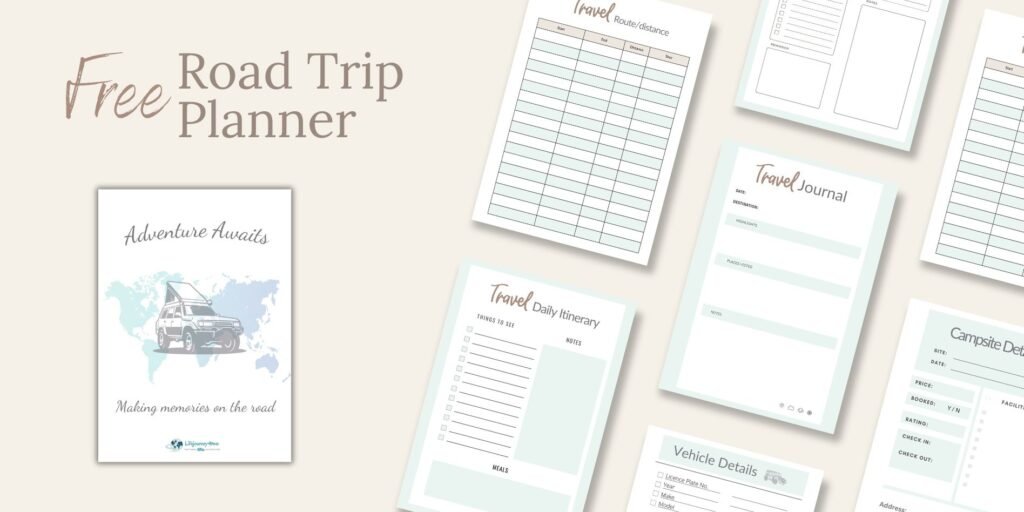
Traveling is one of life’s greatest pleasures, but it can also be a significant source of stress, especially when it comes to budgeting. The prospect of managing expenses for transportation, accommodation, food, and activities can be overwhelming. However, with a well-thought-out trip budget planner, you can alleviate anxiety and focus on enjoying your journey. This comprehensive guide will walk you through the essential steps to create an ultimate trip budget planner, ensuring a stress-free travel experience.
Setting Clear Travel Goals
Before you can effectively budget, it’s crucial to establish clear travel goals. Ask yourself what you want to achieve from this trip. Are you seeking relaxation, adventure, cultural immersion, or a combination of these experiences? Clearly defined goals will help you prioritize your spending and make informed decisions throughout the planning process.
Research Your Destination
Understanding the cost of living at your destination is essential for accurate budgeting. Research accommodation options, local transportation costs, average meal prices, and entry fees for attractions. Websites like TripAdvisor, Lonely Planet, and local tourism boards offer valuable insights into expected expenses. Additionally, consider the time of year you’re traveling, as peak seasons can significantly impact prices.
Accommodation Planning
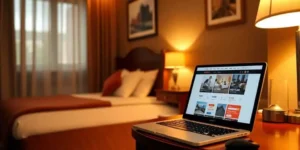
Accommodation is often one of the largest expenses when traveling. To budget effectively, explore various options such as hotels, hostels, vacation rentals, or even home exchanges. Consider your preferences for location, amenities, and comfort level. Booking in advance can often lead to significant savings, so plan ahead whenever possible.
Transportation Costs
Transportation expenses can vary greatly depending on your chosen mode of travel. If you’re flying, monitor airfare prices using tools like Google Flights or Skyscanner. For road trips, calculate fuel costs and potential tolls. Additionally, research local public transportation options or car rental prices at your destination. Remember to factor in any visa or travel insurance costs as well.
Daily Expenses
Daily expenses, including meals, activities, and souvenirs, can add up quickly. To manage these costs, set a daily spending limit based on your research. Consider dining at local eateries rather than tourist hotspots, which can be more expensive. Look for free or low-cost activities, such as hiking or visiting public parks, to balance your budget.
Utilizing Budgeting Tools
In the digital age, numerous budgeting tools and apps can simplify the planning process. Applications like Mint, YNAB (You Need a Budget), and Trail Wallet can help you track expenses and stay within your budget. Use these tools to categorize expenditures, set spending limits, and receive alerts when you’re nearing your budget thresholds.
Building a Contingency Fund
Even the most meticulously planned trips can encounter unexpected expenses. To avoid financial stress, allocate a portion of your budget as a contingency fund. This reserve can cover unforeseen costs such as medical emergencies, last-minute itinerary changes, or lost belongings. A good rule of thumb is to set aside at least 10% of your total budget for emergencies.
Saving Strategies Before the Trip
To ensure a comfortable travel budget, implement savings strategies well in advance. Create a dedicated travel fund by setting aside a specific amount from each paycheck. Cut unnecessary expenses, such as dining out or subscription services, to boost your savings. Consider selling unused items or taking on a side job to increase your travel budget.
Monitoring Your Budget During the Trip
Once you’re on the road, it’s important to continuously monitor your spending. Keep track of daily expenses and compare them against your budget. If you find yourself overspending in one area, adjust by cutting back in another. Regularly reviewing your budget will help you stay on track and make necessary adjustments in real-time.
Post-Trip Evaluation
After returning from your trip, take the time to evaluate your budgeting experience. Reflect on what worked well and areas where you could improve. Analyzing your spending habits will provide valuable insights for future trips. Documenting this information can serve as a reference for upcoming travel plans, allowing you to refine your budgeting strategies over time.
Conclusion
Creating an ultimate trip budget planner is an invaluable step towards stress-free travel. By setting clear travel goals, conducting thorough research, and utilizing budgeting tools, you can take control of your finances and focus on enjoying your journey. Remember, a well-planned budget not only enhances your travel experience but also empowers you to explore the world with confidence and peace of mind. Happy travels!