
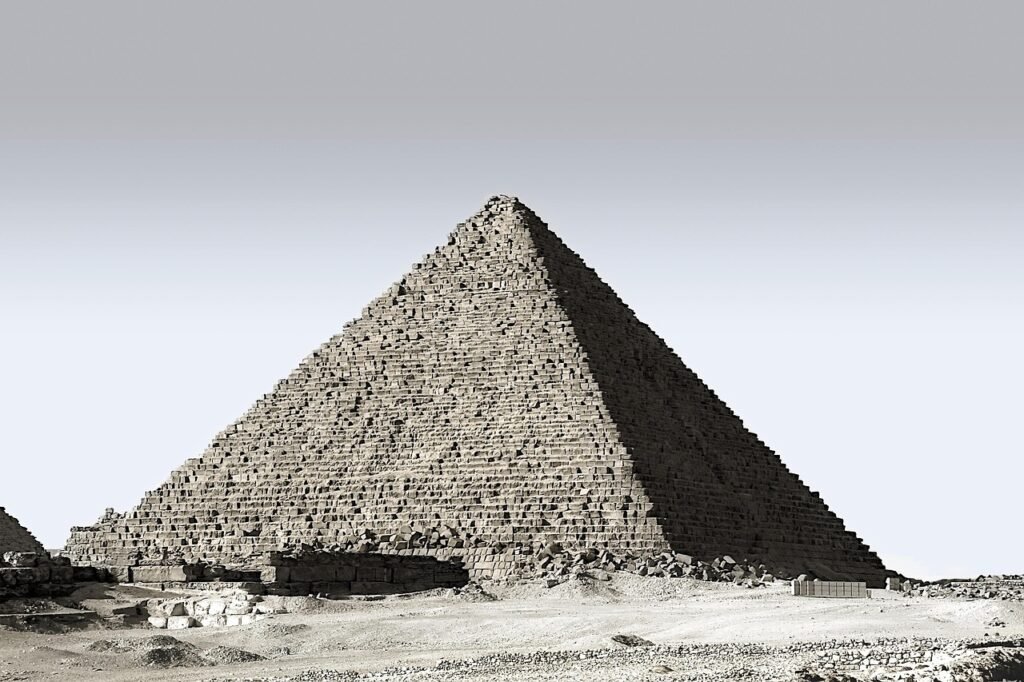
In a world constantly moving towards the future, there remains a profound desire to connect with the past. Traveling to destinations rich in history offers an unparalleled opportunity to explore timeless heritage. These journeys are not mere vacations; they are pilgrimages to the roots of human civilization, art, and culture. From the ancient ruins of Machu Picchu to the enduring mystique of the Egyptian pyramids, each site offers a unique glimpse into the past, inviting travelers to experience the stories and legacies that have shaped our world.
The Allure of Historical Travel
Historical travel provides more than just a visual treat; it offers an educational experience that enriches the soul. As travelers walk through cobbled streets, climb ancient structures, and stand in places where history was made, they connect with the narratives that have defined human progress. The allure lies in the authenticity of these experiences, where each stone has a story, and every artifact is a testament to human ingenuity and resilience.
Europe: A Cradle of Civilization
Rome, Italy: The Eternal City
Rome is a living museum, with its ancient ruins seamlessly blending into the modern cityscape. The Colosseum stands as a symbol of Roman engineering prowess, while the Pantheon offers insight into ancient religious practices. Wandering through the Roman Forum, visitors can almost hear the echoes of bustling ancient markets and political debates that took place in this once-vibrant center of Roman life.
Athens, Greece: Birthplace of Democracy
Athens is the heart of ancient Greek civilization, offering a mix of classical history and vibrant modern culture. The Acropolis, crowned by the Parthenon, provides breathtaking views and a direct link to the age of philosophers and great thinkers. Exploring Athens is like stepping back into a time when democracy was born, and ideas that shaped the western world were first conceived.
Asia: A Tapestry of Dynasties
Kyoto, Japan: The Ancient Capital
Kyoto, with its stunning temples and meticulously maintained gardens, embodies the spirit of Japan’s rich cultural heritage. The city is home to 17 UNESCO World Heritage Sites, including the serene Kinkaku-ji (Golden Pavilion) and the historic Nijo Castle. Wandering through the traditional streets, visitors can witness the seamless blend of Shinto and Buddhist traditions that have influenced Japanese culture for centuries.
Angkor, Cambodia: The Lost City
The temples of Angkor are a testament to the grandeur of the Khmer Empire. Angkor Wat, the largest religious monument in the world, is an architectural masterpiece that reflects Hindu and Buddhist influences. Exploring the overgrown ruins of Ta Prohm, where nature has reclaimed stone, offers a haunting yet beautiful reminder of the passage of time and the impermanence of human creations.
Africa: Origins of Humanity
Giza, Egypt: Marvels of the Ancient World
The pyramids of Giza are among the most iconic symbols of ancient civilization. Standing in their shadow, visitors are transported back to the time of pharaohs, where these monumental structures served as tombs for the rulers of ancient Egypt. The Sphinx, guarding these ancient wonders, adds to the mystique and invites contemplation of the advanced knowledge and skills of the ancient Egyptians.
Great Zimbabwe: A Stone Testament
The ruins of Great Zimbabwe are a powerful symbol of African heritage and ingenuity. Once the heart of a thriving civilization, the stone structures tell the story of a sophisticated society with advanced trade networks and architectural skills. Exploring Great Zimbabwe offers insight into a lesser-known chapter of African history, challenging perceptions and inspiring awe.
Americas: Echoes of Ancient Empires
Machu Picchu, Peru: The Lost City of the Incas
Nestled high in the Andes Mountains, Machu Picchu is a breathtaking testament to the Inca Empire’s architectural and agricultural prowess. The site’s mysterious origins and purpose remain subjects of scholarly debate, adding an element of intrigue to its stunning vistas. Hiking the Inca Trail to this UNESCO World Heritage Site is a journey through cloud forests and ancient paths, culminating in a view that truly feels like the top of the world.
Chichen Itza, Mexico: Pyramid of Kukulcan
Chichen Itza is a remarkable example of Mayan civilization, with its iconic Pyramid of Kukulcan serving as a focal point of the ancient city. The site reveals the astronomical and mathematical prowess of the Maya, with structures aligned to celestial events. The sacred cenote, a natural sinkhole, offers a glimpse into the spiritual practices and beliefs of this advanced civilization.
Modern-Day Pilgrimages
While ancient sites draw the most attention, modern-day pilgrimages also offer profound experiences. Places like Auschwitz in Poland serve as solemn reminders of more recent history, where visitors pay homage to the resilience of the human spirit in the face of unimaginable adversity. These sites provide essential lessons about the past, urging future generations to remember and learn.
Preservation and Responsibility
As travelers venture to these historical sites, the responsibility of preservation becomes paramount. Many of these locations face threats from environmental changes, tourism pressures, and neglect. It is crucial for travelers to engage in responsible tourism practices, supporting conservation efforts and respecting the cultural significance of these sites. By doing so, we ensure that future generations can also experience the awe and inspiration that these timeless heritage sites offer.
Conclusion
The journey to explore timeless heritage is one of discovery, reflection, and connection. It bridges the gap between past and present, offering a deeper understanding of the world we inhabit. These unforgettable global travel journeys allow us to witness the achievements of our ancestors and inspire us to preserve and celebrate the rich tapestry of human history. Whether standing among ancient ruins or walking through historic streets, each step is a tribute to the enduring legacy of our shared heritage.