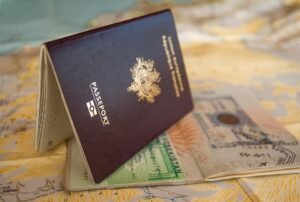

Embarking on a journey, whether for leisure, business, or exploration, can be an enriching experience. However, venturing into new environments also introduces travelers to different health risks. Essential to mitigating these risks is understanding the importance of travel vaccinations. This article provides a comprehensive checklist of essential travel vaccinations, ensuring your journey is as safe and enjoyable as possible.
Understanding Travel Vaccinations
Travel vaccinations are immunizations designed to protect individuals from diseases prevalent in specific geographic areas. These vaccines are crucial for maintaining health and preventing the spread of infectious diseases across borders. The necessity of certain vaccines depends on factors such as the destination, length of stay, planned activities, and the traveler’s medical history.
Why Are Travel Vaccinations Important?
Travel vaccinations are not just about individual protection; they play a critical role in global health. Vaccines help prevent the spread of infectious diseases, protect vulnerable populations, and minimize the risk of outbreaks. Moreover, some countries require proof of certain vaccinations for entry, making them mandatory for travelers.
Consulting a Healthcare Provider
Prior to any international travel, it’s advisable to consult with a healthcare provider or visit a travel clinic. These professionals can offer personalized advice based on your destination, health status, and vaccination history. Ideally, these consultations should occur 4-6 weeks before your trip to allow sufficient time for vaccines to take effect.
Essential Travel Vaccinations Checklist
Routine Vaccinations
Before considering specific travel vaccines, ensure that your routine vaccinations are up-to-date. These typically include:
- Measles, Mumps, and Rubella (MMR)
- Diphtheria, Tetanus, and Pertussis (DTaP)
- Polio
- Influenza
- Varicella (Chickenpox)
Hepatitis A
Hepatitis A is a liver infection caused by the hepatitis A virus, often spread through contaminated food and water. The vaccine is recommended for travelers visiting areas with moderate to high levels of hepatitis A, such as parts of Africa, Asia, the Middle East, and South America.
Hepatitis B
Hepatitis B is a serious infection of the liver caused by the hepatitis B virus. It is transmitted through contact with infectious body fluids. Vaccination is advised for travelers to regions where hepatitis B is common, particularly if they might engage in activities that increase exposure risk, such as medical procedures or unprotected sex.
Typhoid
Typhoid fever is a bacterial infection spread through contaminated food and water. It is recommended for travelers to areas where typhoid is prevalent, including parts of Asia, Africa, and Latin America. Two types of vaccines are available: an oral vaccine and an injectable vaccine.
Yellow Fever
Yellow fever is a viral infection transmitted by mosquitoes, common in certain parts of Africa and South America. Many countries require a yellow fever vaccination certificate for entry. The vaccine is highly effective and provides lifelong protection after a single dose.
Rabies
Rabies is a fatal viral disease transmitted through the bite or scratch of an infected animal. Vaccination is recommended for travelers spending extended periods in rural areas, engaging in outdoor activities, or working with animals in regions where rabies is a risk.
Japanese Encephalitis
Japanese encephalitis is a mosquito-borne viral infection prevalent in rural areas of Asia. The vaccine is advised for travelers planning extended stays or engaging in outdoor activities in affected regions, particularly during the transmission season.
Meningococcal Disease
Meningococcal disease is a serious bacterial infection causing meningitis and bloodstream infections. The vaccine is recommended for travelers to parts of Africa’s “meningitis belt” and for those attending mass gatherings, such as the Hajj pilgrimage in Saudi Arabia.
Cholera
Cholera is an acute diarrheal disease caused by infection of the intestine with Vibrio cholerae bacteria. It is spread through contaminated food and water and is prevalent in areas with inadequate sanitation. The oral cholera vaccine is recommended for travelers to outbreaks or endemic regions, particularly if access to safe water and sanitation is limited.
Malaria Prevention
Although there is no vaccine for malaria, preventive measures are crucial for travelers to malaria-endemic areas. Consult with a healthcare provider about antimalarial medications, and take precautions to avoid mosquito bites, such as using insect repellent, wearing long-sleeved clothing, and sleeping under insecticide-treated bed nets.
Additional Considerations
Travel Insurance
Alongside vaccinations, acquiring comprehensive travel insurance is vital. Ensure your policy covers medical emergencies, including potential treatment for diseases you might encounter abroad.
Documentation
Keep a record of your vaccinations and carry this documentation with you during your travels. Some countries require proof of certain vaccinations for entry, so having these records readily accessible is crucial.
Health and Safety Precautions
While vaccinations are a critical component of travel health, additional precautions can further safeguard your well-being. These include practicing good hygiene, consuming safe food and water, and being aware of local health advisories and conditions.
Conclusion
Traveling the world offers unparalleled opportunities to experience diverse cultures, landscapes, and adventures. However, ensuring your health and safety through appropriate vaccinations is paramount. By following this essential travel vaccinations checklist and consulting with healthcare professionals, you can embark on your journey with confidence, knowing you are protected against potential health risks. Safe travels!
#ChatGPT assisted in the creation of this article.