
Flying for the first time can be an exhilarating experience, but it’s often accompanied by a sense of anxiety and stress. From navigating through the airport to understanding airline protocols, first-time flyers are faced with numerous challenges. However, with some preparation and knowledge, you can transform your maiden flight into a smooth and enjoyable journey. This article provides essential tips that will help first-time flyers navigate the complexities of air travel with ease and confidence.
Research and Plan Ahead
Understand Airline Policies
Each airline has its own set of rules and policies, including baggage allowances, check-in procedures, and in-flight services. Before booking your flight, take the time to review these policies on the airline’s official website. Understanding these guidelines will help you avoid any surprises at the airport and ensure a smooth check-in process.
Choose the Right Time to Fly
Timing is crucial when it comes to flying. If you want to avoid crowded airports and long security lines, consider booking your flight during off-peak hours. Early morning or late-night flights are typically less crowded, allowing for a more relaxed travel experience. Additionally, flying on weekdays rather than weekends can often result in cheaper fares and fewer passengers.
Pack Smartly
Travel Light
One of the most common mistakes first-time flyers make is overpacking. To avoid this, create a packing list and stick to it. Consider the duration of your trip and the weather conditions at your destination. Opt for versatile clothing that can be mixed and matched, and remember to leave some space in your luggage for souvenirs or items you may purchase during your trip.
Understand Baggage Allowances
Familiarize yourself with the baggage policies of your chosen airline. Most airlines allow for one carry-on bag and one personal item, such as a purse or laptop bag. Be sure to check the size and weight restrictions for both carry-on and checked baggage to avoid any unexpected fees at the airport.
Organize Important Documents
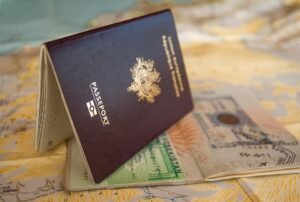
Keep your travel documents organized and easily accessible. This includes your passport, boarding pass, identification, and any necessary visas. It’s also a good idea to have a digital backup of these documents on your phone or in your email in case they get lost or stolen.
Prepare for Airport Security
Know What to Pack in Your Carry-On
Security regulations can be confusing, especially for first-time flyers. Familiarize yourself with the items that are allowed in your carry-on bag. Liquids, gels, and aerosols should be in containers of 3.4 ounces (100 milliliters) or less and placed in a clear, quart-sized bag. Sharp objects, firearms, and certain sporting goods are generally prohibited.
Dress for Security Checks
Opt for comfortable clothing and shoes that are easy to remove, as you’ll need to take off your shoes during the security screening. Avoid wearing excessive jewelry or belts with large buckles, as these can trigger metal detectors and slow down the process.
Arrive Early
It’s advisable to arrive at the airport at least two hours before a domestic flight and three hours before an international flight. This allows ample time for check-in, security screening, and any unforeseen delays. Arriving early will also give you the opportunity to familiarize yourself with the airport layout and locate your departure gate without rushing.
During the Flight
Stay Hydrated and Comfortable
Airplane cabins are pressurized environments with low humidity levels, which can lead to dehydration. Drink plenty of water before and during your flight to stay hydrated. Consider bringing a reusable water bottle that you can refill once you pass through security. Wearing comfortable clothing and bringing a neck pillow or blanket can also enhance your comfort during the flight.
Manage In-Flight Anxiety
If you’re prone to anxiety, especially during takeoff and landing, try deep-breathing exercises or listen to calming music or podcasts. Bringing a good book or watching a movie can also help distract you and make the flight feel shorter.
Respect Cabin Etiquette
Being courteous to fellow passengers and the flight crew can make the flight enjoyable for everyone. Keep noise levels down, especially when using electronic devices, and be mindful of personal space. If you need to recline your seat, do so slowly and check with the passenger behind you first.
Arriving at Your Destination
Navigate Immigration and Customs
Upon arrival at your destination, you’ll need to pass through immigration and customs. Have your travel documents ready and be prepared to answer basic questions about the purpose of your visit. If you’re unfamiliar with the process, follow the signs and instructions provided by the airport staff.
Plan Transportation in Advance
Research and plan your transportation from the airport to your final destination before you arrive. Whether you choose a taxi, ride-sharing service, public transportation, or an airport shuttle, knowing your options in advance will save you time and stress.
Stay Connected
If you’re traveling internationally, consider purchasing a local SIM card or an international phone plan to stay connected. This will make it easier to navigate unfamiliar areas, contact accommodations, or reach out to loved ones back home.
Conclusion
Flying for the first time doesn’t have to be a daunting experience. By researching and planning ahead, packing smartly, preparing for airport security, and managing in-flight comfort and anxiety, you can ensure a stress-free journey from takeoff to landing. Remember that the key to a successful flight is preparation and a positive attitude. With these essential tips, you’ll be well-equipped to embark on your first flight with confidence and ease. Safe travels!