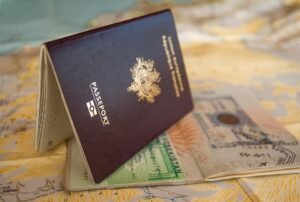

Traveling can be an exhilarating experience, providing opportunities to explore new cultures, cuisines, and landscapes. However, when it comes to group travel, the dynamics change significantly. From coordinating schedules to managing diverse preferences, group travel requires a strategic approach to ensure a smooth and enjoyable experience for everyone involved. This article delves into the art of mastering group travel, revealing top planning tips that will help you navigate the complexities of organizing a trip for multiple people.
Understanding Group Dynamics
Before diving into the logistics, it’s crucial to understand the dynamics of your group. Each group is unique, with varying interests, budgets, and travel styles. Here are some key considerations:
Identify Group Interests
Start by gauging the collective interests of the group. Are they adventure enthusiasts, culture vultures, or relaxation seekers? Conduct a survey or have a group discussion to ensure that the itinerary includes activities that cater to everyone’s preferences.
Determine Budget Constraints
Financial considerations can make or break a trip. Establish a budget range that accommodates everyone in the group. This includes transportation, accommodation, meals, and activities. Be transparent about costs and encourage open discussions to prevent misunderstandings later.
Consider Individual Needs
Each group member may have unique needs, such as dietary restrictions, mobility issues, or personal preferences. Acknowledge these requirements and strive to find solutions that ensure everyone’s comfort and enjoyment.
Effective Communication
Communication is the backbone of successful group travel. Establishing clear lines of communication will help prevent misunderstandings and ensure that everyone is on the same page.
Create a Central Communication Hub
Use a centralized platform such as a group chat app or a shared online document to keep everyone informed. This hub can be used for itinerary updates, travel tips, and sharing important documents like tickets and reservations.
Assign Roles and Responsibilities
Designate roles within the group to streamline decision-making. For instance, appoint a travel coordinator, a treasurer to manage funds, and an activities planner. Delegating responsibilities not only lightens the load on one person but also ensures that tasks are handled efficiently.
Planning the Itinerary
Crafting a well-balanced itinerary is essential for a successful group trip. Here’s how you can create an itinerary that caters to diverse interests:
Balance Structure and Flexibility
While it’s important to have a structured itinerary, ensure there’s room for spontaneity. Allocate free time for group members to explore on their own or relax, allowing them to recharge and pursue individual interests.
Include Group Activities
Plan activities that encourage bonding and shared experiences. Group tours, team-building exercises, and communal meals can help strengthen relationships within the group.
Consider Logistics
Factor in travel times, distances between destinations, and potential delays. A realistic itinerary will account for these variables, ensuring that the group isn’t rushed or stressed.
Accommodation and Transportation
Choosing the right accommodation and transportation options is vital for a hassle-free group trip.
Opt for Group-Friendly Accommodations
Consider booking accommodations that offer shared spaces, such as vacation rentals or hostels with communal areas. This fosters social interaction and can be more cost-effective than individual hotel rooms.
Transportation Planning
Decide on the most efficient mode of transportation for your group. Whether it’s renting a van, using public transport, or booking flights, ensure that the choice aligns with the group’s budget and comfort level.
Managing Group Finances
Handling finances can be a sensitive topic, but it’s crucial for the success of the trip.
Establish a Shared Fund
Create a shared fund for communal expenses such as accommodation, group meals, and transportation. Use apps or online banking tools to keep track of contributions and expenditures.
Encourage Transparency
Maintain transparency in financial dealings to build trust within the group. Regularly update everyone on the status of the shared fund and provide receipts when necessary.
Dealing with Conflicts
Conflicts can arise in group travel due to differing opinions and expectations. Here’s how to manage them effectively:
Promote Open Communication
Encourage open dialogue and active listening. Creating an environment where everyone feels comfortable expressing their opinions can prevent misunderstandings and resolve conflicts amicably.
Find Compromises
Be willing to compromise and encourage group members to do the same. Finding a middle ground can help satisfy everyone’s needs and contribute to a harmonious travel experience.
Health and Safety Considerations
Ensuring the health and safety of the group is paramount. Here are some tips to keep in mind:
Research Destination-Specific Requirements
Stay informed about health advisories, entry requirements, and local regulations at your destination. This includes vaccination requirements, travel restrictions, and safety guidelines.
Prepare for Emergencies
Have a contingency plan in place for emergencies. Share essential contact information, including local emergency numbers and the details of your country’s embassy or consulate.
Maximizing Enjoyment
Ultimately, the goal of group travel is to create unforgettable memories. Here’s how to ensure everyone enjoys the trip:
Encourage Participation
Involve everyone in the planning process to foster a sense of ownership and excitement. When group members have a say in the itinerary, they are more likely to enjoy the experience.
Document the Journey
Encourage group members to capture moments through photos and videos. Sharing these memories can strengthen bonds and provide a lasting reminder of the trip.
Conclusion
Mastering group travel requires careful planning, effective communication, and a willingness to accommodate diverse needs and preferences. By following these top planning tips, you can create a memorable and enjoyable experience for everyone involved. Whether you’re traveling with family, friends, or colleagues, the key to successful group travel lies in balancing organization with flexibility, ensuring that every group member has a trip to remember.