
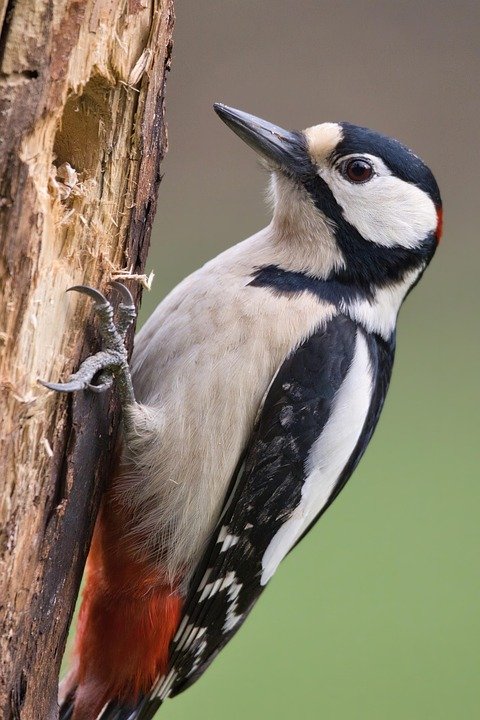
Wildlife photography is an exhilarating blend of adventure and artistry, where patience, precision, and passion for nature come together to create breathtaking imagery. From the dense jungles of Africa to the icy landscapes of the Arctic, the world is full of opportunities for photographers to capture the essence of wildlife in its natural habitat. In this article, we delve into some of the top wildlife photography adventures where shutterbugs can hone their skills and experience the thrill of capturing the wild.
African Safaris: The Heart of Wildlife Photography
Africa, with its vast savannas and rich biodiversity, is a paradise for wildlife photographers. The continent is home to the iconic Big Five: lions, elephants, buffalo, leopards, and rhinoceroses. Safaris in Africa offer photographers the chance to capture these majestic creatures against breathtaking backdrops.
Masai Mara, Kenya
The Masai Mara National Reserve in Kenya is one of the most renowned wildlife destinations in the world. Known for the Great Migration, where over a million wildebeest and zebra traverse the plains, the Mara provides photographers with stunning opportunities to capture predator-prey interactions. The reserve’s open landscapes and abundance of wildlife make it an ideal location for both beginners and seasoned photographers.
Serengeti National Park, Tanzania
Just across the border from the Masai Mara lies the Serengeti National Park. This iconic park is famous for its endless plains and unparalleled wildlife viewing opportunities. Photographers can capture cheetahs sprinting across the grasslands, lions basking under acacia trees, and elephants marching across the savanna. The Serengeti’s varied landscapes offer a dynamic canvas for creative photography.
The Jungles of India: A Tiger’s Realm
India’s dense jungles and diverse ecosystems provide a unique setting for wildlife photography, especially for those keen on capturing the elusive Bengal tiger. The country boasts several reserves that are crucial habitats for these magnificent big cats.
Ranthambore National Park, Rajasthan
Ranthambore National Park is one of the best places to photograph tigers in the wild. The park’s dramatic landscapes, dotted with ancient ruins and serene lakes, create a mystical atmosphere for photographers. Apart from tigers, the park is home to leopards, sloth bears, and an array of bird species, making it a haven for wildlife enthusiasts.
Bandhavgarh National Park, Madhya Pradesh
With one of the highest densities of tigers in India, Bandhavgarh National Park offers excellent opportunities for capturing these majestic animals. The park’s varied topography, from rocky hills to lush valleys, provides a picturesque backdrop for wildlife photography. Photographers can also capture other wildlife such as deer, langurs, and an impressive variety of birds.
Polar Expeditions: Capturing the Arctic and Antarctic Wildlife
The polar regions, with their stark beauty and extreme environments, offer unique challenges and rewards for wildlife photographers. From polar bears in the Arctic to penguins in Antarctica, these regions are teeming with life adapted to the harshest conditions on Earth.
Svalbard Archipelago, Norway
Svalbard, located in the Arctic Ocean, is a remote wilderness that offers photographers a chance to capture polar bears in their natural habitat. The dramatic landscapes, icy fjords, and midnight sun create a surreal environment for photography. In addition to polar bears, photographers can capture walruses, Arctic foxes, and a variety of seabirds.
Antarctica: The White Continent
Antarctica is a dream destination for wildlife photographers seeking to capture the beauty of the frozen continent. The abundance of penguins, seals, and whales provides endless opportunities for dynamic and engaging shots. The stunning ice formations and pristine landscapes add a unique element to this once-in-a-lifetime photography adventure.
South America’s Biodiversity: A Tropical Paradise
South America, with its lush rainforests and diverse ecosystems, is a treasure trove of wildlife photography opportunities. From the Amazon basin to the wetlands of the Pantanal, this continent offers photographers a chance to capture vibrant and unique wildlife.
Amazon Rainforest, Brazil
The Amazon Rainforest, often referred to as the “lungs of the Earth,” is home to an astonishing array of wildlife. Photographers can capture colorful macaws, stealthy jaguars, and playful river dolphins amidst the dense foliage and winding rivers. The challenge of navigating this vast and complex ecosystem adds to the thrill of photography in the Amazon.
Pantanal, Brazil
The Pantanal is the world’s largest tropical wetland and a biodiversity hotspot. Known for its rich birdlife and high concentration of jaguars, the Pantanal provides photographers with unparalleled opportunities to capture wildlife in a stunning natural setting. The region’s varied landscapes, from marshes to savannas, offer a diverse range of subjects for photography.
Australia’s Unique Fauna: A World of Wonder
Australia is home to some of the world’s most unique and intriguing wildlife. From kangaroos and koalas to the elusive platypus, the continent offers photographers a chance to capture creatures found nowhere else on Earth.
Kakadu National Park, Northern Territory
Kakadu National Park is a UNESCO World Heritage site that boasts a rich tapestry of ecosystems and wildlife. Photographers can capture saltwater crocodiles, wallabies, and an impressive array of bird species against the backdrop of ancient rock formations and lush wetlands. The park’s cultural significance and natural beauty make it a must-visit for wildlife photographers.
Kangaroo Island, South Australia
Kangaroo Island is a wildlife haven that offers photographers the chance to capture Australia’s iconic species in their natural habitat. The island is home to kangaroos, koalas, sea lions, and a diverse range of birdlife. The rugged coastlines and pristine beaches provide stunning settings for wildlife photography.
Essential Tips for Wildlife Photography Adventures
Embarking on a wildlife photography adventure requires careful planning and preparation. Here are some essential tips to help photographers make the most of their experience:
Research and Plan Ahead
Understanding the behavior and habitat of the wildlife you wish to photograph is crucial. Researching the best times to visit and the locations where wildlife is most active will increase your chances of capturing memorable shots.
Invest in Quality Equipment
A good camera with a fast shutter speed and a telephoto lens is essential for wildlife photography. Consider investing in sturdy tripods and protective gear for your equipment, especially in harsh environments.
Practice Patience and Respect
Wildlife photography requires patience and respect for nature. Be prepared to wait for long periods and always maintain a respectful distance from the animals to avoid disturbing their natural behavior.
Understand Lighting and Composition
Mastering lighting and composition is key to creating impactful wildlife photographs. Experiment with different angles and perspectives to capture the essence of your subject.
Conclusion
Wildlife photography is a rewarding pursuit that allows photographers to connect with nature and capture moments of beauty and wonder. Whether it’s the vast savannas of Africa, the mysterious jungles of India, the icy realms of the polar regions, or the diverse ecosystems of South America and Australia, each destination offers unique opportunities for photographers to capture the wild. By embracing the challenges and immersing themselves in the natural world, photographers can create images that inspire and educate, fostering a deeper appreciation for the planet’s incredible wildlife.