Long haul flights can be both exciting and daunting. Whether you’re traveling for business or leisure, the prospect
of spending multiple hours confined in an airplane seat can be overwhelming. However, with the right preparation and mindset, you can turn this lengthy journey into a manageable, even enjoyable, experience. Here are some ultimate tips for surviving long haul flights that will help you arrive at your destination feeling refreshed and ready to go.
Choose the Right Seat
Your seat selection can significantly impact your comfort level during a long flight. Consider booking a seat
with extra legroom, especially if you’re tall or prefer to stretch out. If you enjoy having easy access to the
aisle, an aisle seat might be best for you. On the other hand, if you prefer resting against the window and having
fewer disturbances, a window seat is ideal. Use online tools or apps like SeatGuru to check the layout of the
aircraft and choose a seat that suits your preferences.
Dress Comfortably
Comfort is key when it comes to surviving long flights. Opt for loose-fitting, breathable clothing made of natural
fibers such as cotton. Layers are also essential since temperatures in the cabin can fluctuate. Consider wearing
a lightweight sweater or jacket that you can easily take off or put on. Don’t forget to wear comfortable shoes
and pack a pair of warm socks to keep your feet cozy during the flight.
Stay Hydrated
The air inside the cabin is notoriously dry, which can lead to dehydration. Drink plenty of water before and during
the flight to stay hydrated. Avoid excessive consumption of caffeine and alcohol as these can contribute to
dehydration. Bring a reusable water bottle and refill it after passing through security to ensure you have enough
water throughout the flight.
Bring Your Own Entertainment
While most airlines offer in-flight entertainment, it’s always a good idea to bring your own options as well. Load
your tablet or smartphone with movies, TV shows, e-books, and podcasts. Noise-canceling headphones are also a
worthwhile investment for blocking out ambient noise and enhancing your viewing or listening experience.
Move Around and Stretch
Sitting for extended periods can lead to stiffness and discomfort. Make a conscious effort to move around the cabin
and stretch your muscles. Simple exercises such as calf raises, ankle circles, and shoulder rolls can help
improve circulation and reduce the risk of deep vein thrombosis (DVT). Aim to get up and walk around every couple
of hours.
Pack a Travel Pillow and Blanket
A travel pillow can make a significant difference in your ability to get restful sleep on a plane. Choose one that
provides proper neck support and is easy to pack. Additionally, bring a lightweight blanket or a large scarf to
keep warm and comfortable during the flight.
Use Sleep Aids Wisely
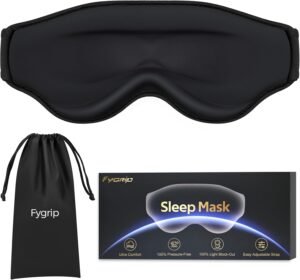
If you plan to sleep during the flight, consider bringing an eye mask and earplugs to block out light and noise.
Some travelers find that sleep aids, such as melatonin or over-the-counter medications, help with sleep. However,
it’s important to use these aids wisely and consult with your doctor beforehand, especially if you’re trying them
for the first time.
Manage Jet Lag
Jet lag can be a common issue after long flights, especially when crossing multiple time zones. To minimize its
effects, try to gradually adjust your sleep schedule a few days before your flight to align with your
destination’s time zone. Once on the plane, set your watch to the destination time to mentally prepare for the
time change. Upon arrival, spend time outdoors in natural daylight to help reset your internal clock.
Stay Organized
Keeping your carry-on bag organized can make a big difference in your travel experience. Use packing cubes or
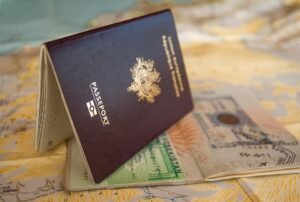
pouches to separate items like electronics, snacks, and toiletries. Keep important documents such as your
passport, boarding pass, and travel itinerary easily accessible. This organization will not only make it easier
to find what you need but also reduce stress during the flight.
Bring Snacks
Airplane food can be hit or miss, and having your own snacks ensures you won’t go hungry. Pack a variety of healthy
snacks such as nuts, dried fruits, granola bars, or sandwiches. Having familiar and satisfying snacks on hand can
also provide comfort during a long journey.
Take Care of Your Skin
The dry cabin air can take a toll on your skin. Keep your skin hydrated by applying a good moisturizer before and
during the flight. Lip balm and eye drops can also be helpful to prevent dryness. Consider bringing facial wipes
to refresh your skin halfway through the flight.
Practice Good Hygiene
Maintaining personal hygiene is important, especially on long flights. Pack a small toiletry kit with essentials
like a toothbrush, toothpaste, facial wipes, and hand sanitizer. Freshening up during the flight can make you
feel more comfortable and ready to face the day once you land.
Know Your Arrival Details
Before boarding your flight, familiarize yourself with the details of your arrival. Know the local time, weather
forecast, and transportation options from the airport to your accommodation. Having a plan in place will save you
time and stress once you reach your destination.
Stay Positive and Relaxed
Finally, maintaining a positive and relaxed attitude can go a long way in making your long haul flight more
bearable. Remember that flying is a temporary experience, and focus on the excitement of reaching your
destination. Practice deep breathing or meditation techniques to help stay calm and relaxed throughout the
journey.
In conclusion, surviving a long haul flight is all about preparation and mindset. By following these tips, you can enhance your comfort, reduce stress, and arrive at your destination ready to make the most of your trip. Happy flying!