Embarking on a new adventure is always an exhilarating experience. Whether you’re traveling for leisure, business, or exploration, having the right documents is crucial to ensure a smooth and stress-free journey. In this comprehensive guide, we’ll explore the essential travel documents you need for your next adventure, ensuring you’re well-prepared and ready to take on the world.
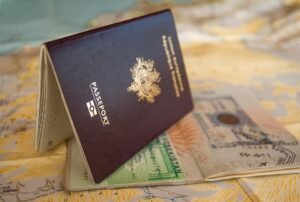
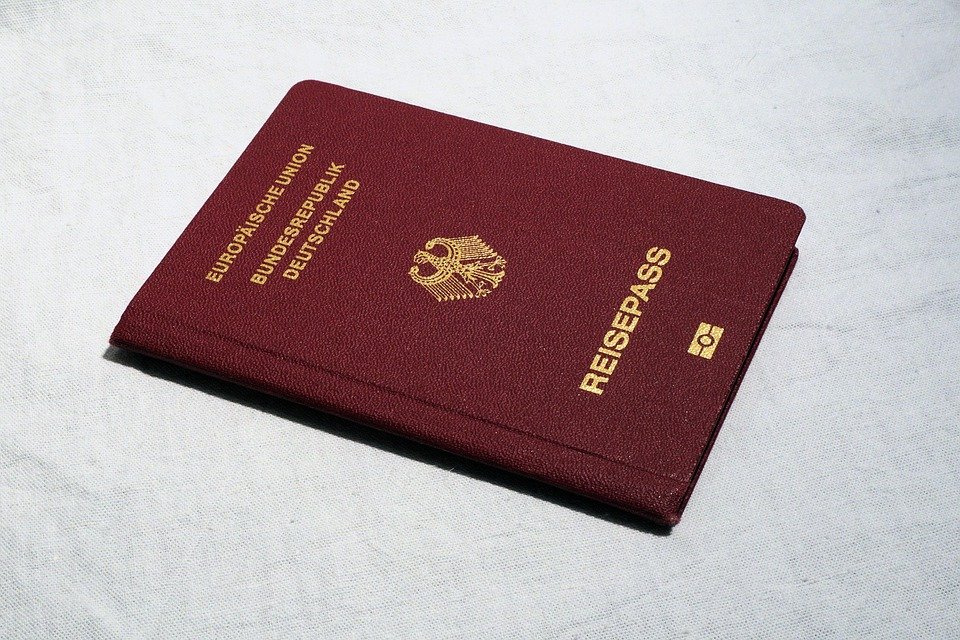
Passport
Your passport is arguably the most critical travel document. It serves as your primary identification when traveling internationally. Before you set off, ensure your passport:
- Is valid for at least six months beyond your planned return date.
- Contains enough blank pages for entry and exit stamps (some countries require at least two or more).
- Is in good condition, without any significant damage that might make it invalid.
If your passport is nearing expiration or lacks sufficient pages, be sure to renew it well in advance of your trip.
Visa
Depending on your destination, you may need a visa to enter the country. Research the visa requirements for your destination well ahead of time, as application processes can vary significantly. Consider the following:
- Some countries offer visa-on-arrival, while others require you to apply in advance.
- Check the duration and conditions of the visa to ensure it aligns with your travel plans.
- Be aware of any specific documents or requirements needed for the visa application, such as proof of accommodation or a return ticket.
Travel Insurance
Travel insurance is a crucial document that provides coverage against unforeseen events such as medical emergencies, trip cancellations, or lost belongings. When choosing a travel insurance policy, consider:
- Coverage for medical expenses, including emergency evacuation.
- Protection against trip cancellations, delays, or interruptions.
- Coverage for lost, stolen, or damaged personal belongings.
- 24/7 assistance services for emergencies during your trip.
Ensure you carry a copy of your insurance policy, including emergency contact numbers and your policy number.
Driver’s License or International Driving Permit
If you plan on driving during your travels, you’ll need to bring your driver’s license. In some cases, an International Driving Permit (IDP) may be required. An IDP translates your driver’s license into multiple languages and is recognized in over 150 countries. Be sure to check the driving requirements of your destination and obtain an IDP if necessary.
Vaccination Certificates
With global health considerations ever-present, certain destinations may require proof of vaccination against specific diseases, such as yellow fever or COVID-19. Research the health requirements of your destination and carry valid vaccination certificates if necessary. It’s advisable to keep digital copies of these documents for easy access.
Flight Tickets and Itinerary
Having a copy of your travel itinerary and flight tickets is essential for a seamless journey. Ensure you have both physical and digital copies of:
- Your flight tickets and confirmation numbers.
- Hotel reservations and contact information.
- Transportation bookings, such as car rentals or train tickets.
- A detailed itinerary, including important addresses and contact numbers.
Emergency Contacts
Prepare a list of emergency contacts, including family members, friends, or colleagues. This list should include:
- Contact information for your embassy or consulate at your destination.
- Local emergency services numbers (police, ambulance, fire department).
- Contacts for your travel insurance provider and healthcare professionals.
Financial Documents
Ensure you have access to your finances while traveling by bringing essential financial documents, such as:
- Credit and debit cards, along with contact information for reporting lost or stolen cards.
- Local currency or traveler’s checks for regions where card usage is limited.
- A list of contact numbers for your bank and credit card companies.
It’s wise to notify your bank of your travel plans to prevent any issues with card usage abroad.
Copies of Important Documents
For added security, make photocopies or digital scans of all your essential travel documents, including:
- Your passport and visa.
- Travel insurance policy.
- Driver’s license or IDP.
- Vaccination certificates.
- Flight tickets and itinerary.
Store these copies separately from the originals and consider emailing them to yourself for easy access.
Mobile Apps and Digital Tools
In today’s digital age, many travel documents can be accessed through mobile apps and online platforms. Consider using apps for:
- Storing and organizing your travel itinerary.
- Accessing digital boarding passes and hotel reservations.
- Converting currency and translating languages.
- Finding local attractions, restaurants, and services.
Ensure your devices are fully charged and have access to the internet to make the most of these digital tools.
Conclusion
Preparing your essential travel documents is a key step in ensuring a smooth and enjoyable journey. By organizing these documents well in advance, you can focus on the excitement and adventure that lies ahead. Remember to check the specific requirements for your destination, make copies of important documents, and utilize digital tools to enhance your travel experience. With everything in order, you’re ready to embark on your next adventure with confidence and peace of mind.
#ChatGPT assisted in the creation of this article.