
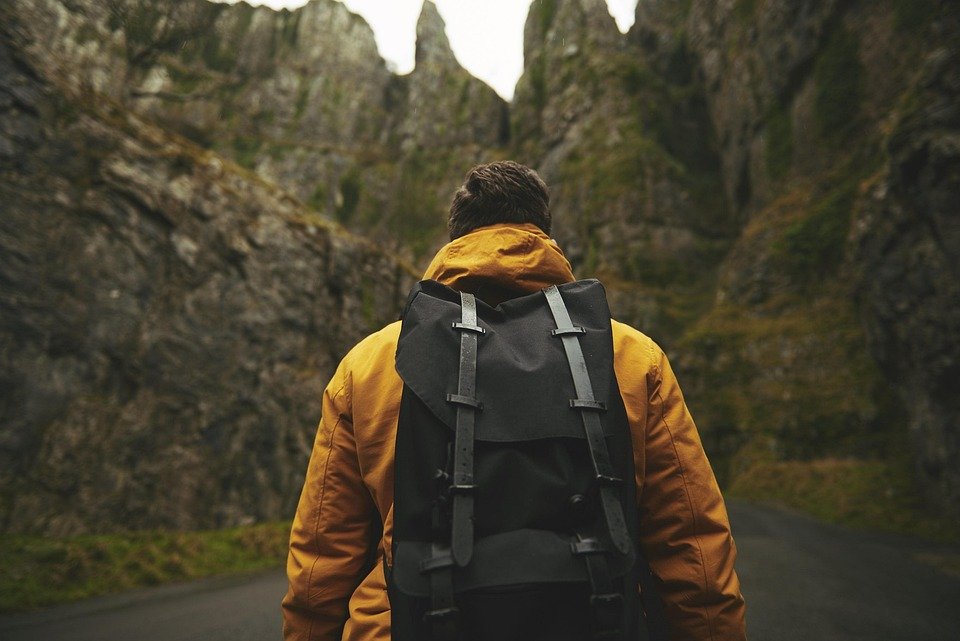
Backpacking through Europe is a rite of passage for many travelers. The continent’s diverse cultures, rich history, and stunning landscapes make it an irresistible destination. However, for first-timers, the prospect can be both exciting and daunting. To help you embark on this adventure with confidence, we’ve compiled a list of essential tips for backpacking Europe.
Research and Plan Your Route
While spontaneity is one of the joys of backpacking, having a rough itinerary can save time and reduce stress. Research the countries and cities you want to visit, and make a list of must-see attractions and experiences. Consider factors like travel distances, climate, and local events when planning your route. Many backpackers choose to follow popular routes like the Western Europe loop or the Eastern Europe trail, but don’t be afraid to venture off the beaten path.
Set a Realistic Budget
Europe can be both expensive and affordable, depending on where you go and how you travel. Setting a realistic budget is crucial for managing your finances on the road. Consider expenses such as accommodation, transportation, food, activities, and incidentals. Use online resources to research average costs in each destination, and plan your budget accordingly. Remember to leave some wiggle room for unexpected expenses and splurges.
Pack Smart and Light
Your backpack will be your constant companion, so packing smart and light is essential. Focus on versatile clothing that can be layered and mixed and matched. Prioritize essentials like a durable backpack, comfortable shoes, a compact sleeping bag, and a travel-sized first aid kit. Don’t forget important documents like your passport, visas, and travel insurance. Packing cubes and compression bags can help organize and maximize space in your backpack.
Embrace Public Transportation
Europe’s extensive public transportation network makes it easy to get around. Trains, buses, and budget airlines offer convenient and cost-effective options for traveling between cities and countries. Consider purchasing a Eurail pass if you plan to travel extensively by train. For shorter distances, buses and rideshares like BlaBlaCar can be economical choices. In cities, utilize public transport systems or explore on foot or by bike for an immersive experience.
Stay in Hostels and Budget Accommodations
Accommodation is one of the biggest expenses when traveling, but Europe offers plenty of budget-friendly options. Hostels are a popular choice for backpackers, providing affordable lodging and opportunities to meet fellow travelers. Many hostels offer communal kitchens, free Wi-Fi, and organized activities. Alternatives like guesthouses, budget hotels, and Airbnb can also offer good value. Consider booking accommodations in advance during peak travel seasons to secure the best deals.
Learn Basic Local Phrases
While English is widely spoken across Europe, learning basic phrases in the local language can enhance your travel experience. Simple greetings, thank-yous, and polite phrases can go a long way in making connections and showing respect for local cultures. Language apps and phrasebooks are handy tools for picking up essential vocabulary.
Stay Connected Safely
In today’s digital age, staying connected while traveling is easier than ever. Consider purchasing a local SIM card or an international phone plan to access maps, travel apps, and communication tools on the go. Free Wi-Fi is available in many public places, but be cautious when using unsecured networks. Use a VPN to protect your personal information and access region-restricted content securely.
Prioritize Safety and Health
Your safety and well-being should always be a top priority. Research the safety situations of your destinations and take common-sense precautions. Keep your belongings secure, be aware of your surroundings, and avoid risky areas, especially at night. Travel insurance is essential for covering medical emergencies, trip cancellations, and lost belongings. Stay healthy by staying hydrated, eating balanced meals, and getting enough rest.
Embrace Cultural Differences
Europe is a melting pot of cultures, each with its own customs and traditions. Embrace these differences and be open to new experiences. Respect local customs, dress appropriately, and follow local etiquette. Engaging with locals can provide valuable insights into the culture and enrich your travel experience. Attend local events, try regional cuisines, and explore beyond the tourist hotspots to gain a deeper understanding of each destination.
Capture Memories Mindfully
Documenting your journey is a wonderful way to preserve memories, but remember to balance capturing moments with being present. Take photos and videos, but also take time to soak in the experience without the lens. Consider keeping a travel journal to reflect on your adventures and record your thoughts and emotions. Sharing your experiences with friends and family through social media or a travel blog can also be a rewarding way to reflect on your journey.
Be Flexible and Spontaneous
While planning is important, being flexible and open to spontaneous opportunities can lead to some of the most memorable experiences. Sometimes the best adventures happen when you deviate from your itinerary. Be open to changes in plans, new destinations, and unexpected encounters. Embrace the unpredictability of travel and cherish the unique moments that come your way.
Conclusion
Backpacking through Europe for the first time is an exhilarating experience that offers endless opportunities for adventure and personal growth. By following these essential tips, you’ll be well-prepared to navigate the challenges and joys of backpacking with confidence. Remember to savor every moment, embrace the journey, and return home with a wealth of unforgettable memories and stories to share.