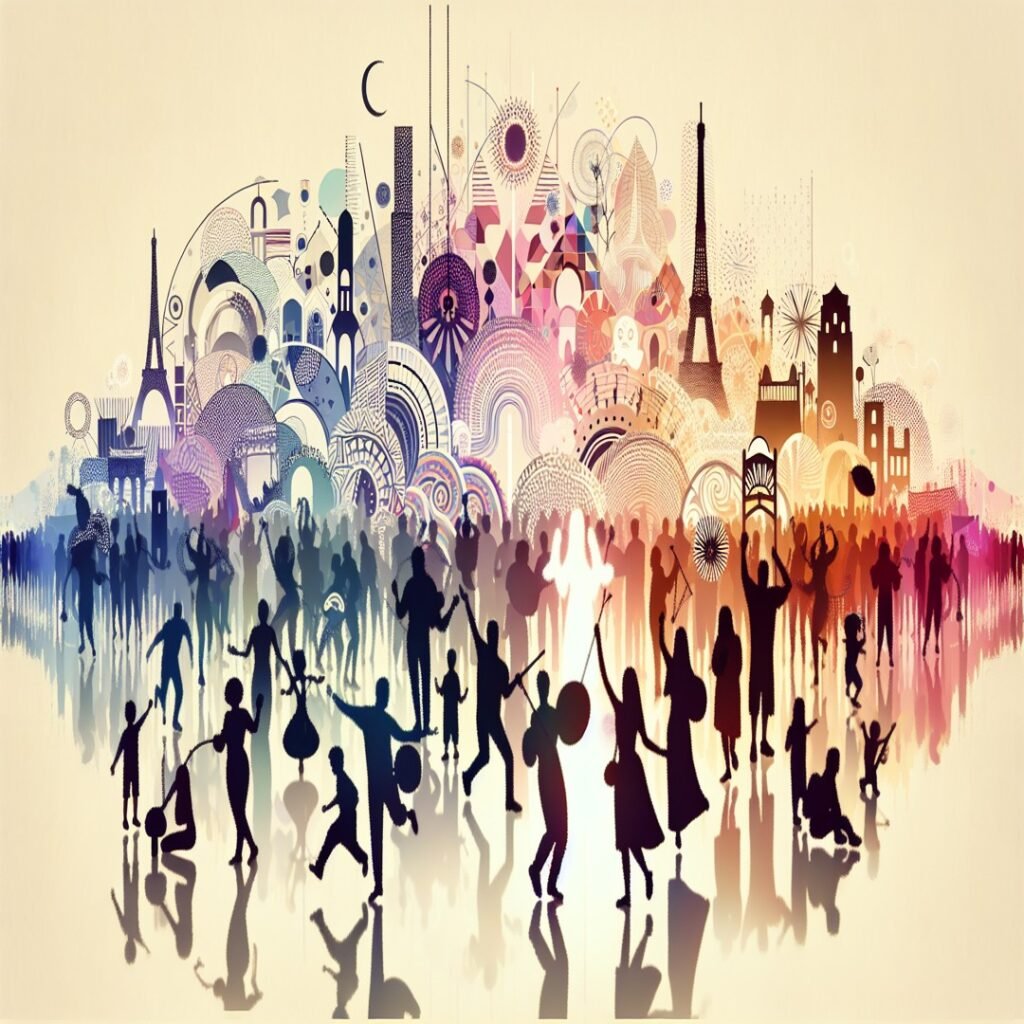
In an increasingly globalized world, cultural festivals offer a vibrant window into the unique traditions, histories, and communities that make up our diverse planet. From the bustling streets of Rio during Carnival to the captivating dances in Bali’s Galungan, these celebrations provide unparalleled opportunities for immersive experiences and cultural exchange. This article will take you on a journey to discover some of the most unmissable cultural festivals around the world.
Rio Carnival, Brazil
Arguably the most famous carnival in the world, Rio Carnival in Brazil is a spectacular event that attracts millions of visitors each year. Held annually before Lent, this festival is a dazzling explosion of color, music, and dance. Samba schools compete with each other in the Sambadrome, showcasing elaborate floats and costumes that reflect the vibrant spirit of Brazilian culture.
What to Expect
Attendees can look forward to street parades, lively music, and an atmosphere of unrestrained celebration. The event offers plenty of opportunities to join in the dancing or simply enjoy the spectacle. Whether you’re a seasoned dancer or a novice, the infectious rhythms of samba are sure to get your feet moving.
Diwali, India
Known as the “Festival of Lights,” Diwali is one of the most significant festivals in India. Celebrated by millions of Hindus, Sikhs, and Jains worldwide, Diwali marks the victory of light over darkness and good over evil. The festival is characterized by vibrant celebrations, fireworks, and the lighting of oil lamps, known as diyas.
What to Expect
During Diwali, homes are adorned with colorful rangoli designs, and streets are illuminated with lights. Families come together to exchange gifts, enjoy feasts, and partake in prayers. The festive atmosphere is complemented by the echo of fireworks lighting up the night sky.
Oktoberfest, Germany
Oktoberfest, held annually in Munich, Germany, is the world’s largest beer festival and a key part of Bavarian culture. This 16- to 18-day festival typically takes place from late September to the first weekend in October, attracting millions of people from around the globe.
What to Expect
Visitors can enjoy a vast array of traditional Bavarian beers, hearty foods like pretzels and sausages, and lively music. The festival grounds, known as Theresienwiese, are filled with massive beer tents, each offering a unique atmosphere. It’s a celebration of camaraderie and conviviality, where clinking beer mugs and singing along to folk tunes are the norm.
Chinese New Year, China
Chinese New Year, or the Spring Festival, is the most important traditional holiday in China. Celebrated at the turn of the lunar calendar, this festival is steeped in ancient customs and rituals. Each year is associated with one of the twelve zodiac animals, and festivities can last up to 15 days.
What to Expect
The celebrations are marked by family reunions, feasts, and the exchange of red envelopes containing money. Streets are decorated with red lanterns, and dragon and lion dance performances take place. Fireworks are an integral part of the celebration, believed to ward off evil spirits and bring good fortune.
Day of the Dead, Mexico
The Day of the Dead, or Día de los Muertos, is a Mexican tradition that honors deceased loved ones. Celebrated on November 1st and 2nd, this festival is a vibrant celebration of life and death, blending indigenous traditions with Catholic influences.
What to Expect
During the festival, families build altars in their homes and cemeteries, adorned with photos, marigolds, and offerings such as food and drink. Parades, music, and colorful costumes are part of the festivities, creating a lively and uplifting atmosphere. It’s a time for families to come together, remember their ancestors, and celebrate the continuity of life.
Galungan, Bali
Galungan is a major Hindu festival celebrated in Bali, Indonesia, marking the victory of dharma (good) over adharma (evil). It is a time when the Balinese believe that ancestral spirits visit the earth. The festival occurs every 210 days, following the Balinese Pawukon calendar.
What to Expect
During Galungan, the streets are lined with penjor, tall bamboo poles decorated with offerings. Families prepare special meals, make offerings, and visit temples to pray. The festival is a time of spiritual reflection, community, and joy, culminating in Kuningan, the last day of the celebration when the spirits return to the ancestral realm.
Venice Carnival, Italy
The Venice Carnival is a world-renowned festival known for its elaborate masks and opulent costumes. This historic event dates back to the 12th century and takes place in the days leading up to Lent. The carnival transforms Venice into a magical setting of mystery and grandeur.
What to Expect
Visitors can expect to see a city alive with masked balls, theatrical performances, and parades. The intricate masks are a symbol of the carnival, allowing wearers to conceal their identities and participate in the festivities anonymously. It’s a celebration of art, culture, and the timeless allure of Venice.
Naadam Festival, Mongolia
The Naadam Festival is a traditional festival in Mongolia, celebrated in July. Known as the “Three Games of Men,” it features competitions in wrestling, horse racing, and archery. These sports have been practiced for centuries and are a vital part of Mongolian culture and identity.
What to Expect
The festival showcases the athletic prowess and skills of participants, with events held in the capital, Ulaanbaatar, and across the country. In addition to the games, Naadam includes cultural performances, traditional music, and feasting, offering visitors a glimpse into the rich heritage of Mongolia.
Conclusion
Cultural festivals are a testament to the rich diversity and shared humanity that make our world so captivating. Whether you’re drawn to the rhythmic beats of Rio’s samba, the spiritual reflection of Bali’s Galungan, or the communal joy of Mexico’s Day of the Dead, there’s a cultural festival waiting to inspire and enchant you. These celebrations offer a unique opportunity to connect with people from different backgrounds, deepen your understanding of global cultures, and create memories that will last a lifetime.