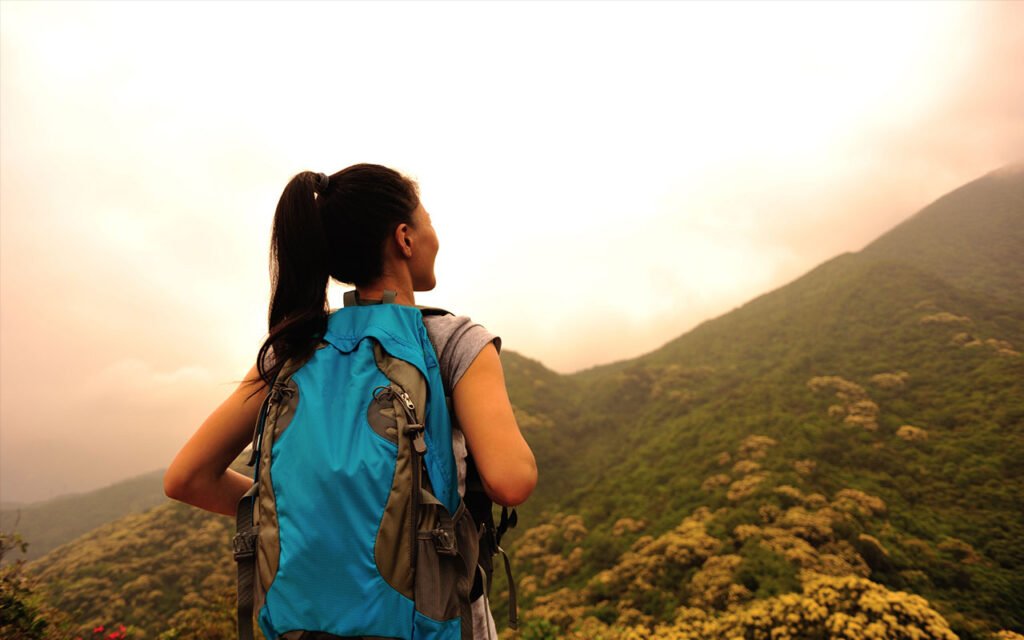
Traveling solo can be one of the most rewarding experiences of your life. It allows you to explore the world on your own terms, gain new perspectives, and discover new strengths. However, embarking on a journey alone comes with its own set of challenges, particularly when it comes to safety. This article will guide you through essential solo travel tips to ensure your adventure is not only memorable but also safe.
Research Your Destination Thoroughly
Before setting off on your solo adventure, it’s crucial to research your destination thoroughly. Understanding the local culture, customs, laws, and regulations can prevent misunderstandings and potential legal issues. Learn about the safest areas to stay, the most reliable modes of transportation, and any local scams to be aware of.
Understand Cultural Norms
Understanding the cultural norms of your destination can help you blend in and avoid unnecessary attention. For instance, dress codes can vary significantly between cultures. In some countries, modest attire is not just a preference but a requirement. Understanding these subtleties will help you respect the local culture and avoid potentially awkward or dangerous situations.
Stay Informed About Local News
Keep abreast of current events in the area you plan to visit. This includes any political unrest, natural disasters, or health advisories. Travel advisories issued by your government can also provide important information about safety concerns in your destination country.
Plan Your Itinerary But Stay Flexible
Having a well-thought-out itinerary can help you make the most of your travel time and keep you organized. However, flexibility is also key when traveling solo. Plans can change for various reasons, including weather, transportation issues, or simply discovering a new place that captures your interest.
Share Your Plans
While you might be traveling alone, it’s a good idea to share your travel plans with a trusted friend or family member. Provide them with your itinerary, contact information for your accommodations, and any other pertinent details. This ensures that someone knows your whereabouts in case of an emergency.
Backup Your Important Documents
Scan copies of your passport, visa, travel insurance, and other important documents, and email them to yourself. Having digital backups can be a lifesaver if you lose your documents or if they are stolen.
Stay Connected with Technology
In today’s digital age, staying connected is easier than ever, and it’s a crucial part of staying safe while traveling alone. Technology can help you navigate unfamiliar terrains, connect with loved ones, and find help in emergencies.
Use Safety Apps
There are several apps designed to enhance your safety while traveling. Apps like Google Maps can help you navigate, while others like TripIt can keep your itinerary organized. Safety apps like bSafe or Life360 can allow loved ones to track your location if necessary.
Stay In Touch
Keep in regular contact with friends or family back home. Regular check-ins not only reassure them of your safety but also give you a point of contact in case you need assistance or advice.
Choose Accommodations Wisely
Your choice of accommodation can greatly impact your safety while traveling solo. Whether you choose hotels, hostels, or vacation rentals, it’s important to prioritize safety and security.
Research Accommodation Options
Look for accommodations with positive reviews regarding safety and location. Check for amenities like 24-hour reception, secure lockers, and in-room safes. Websites like TripAdvisor or Booking.com often have reviews that can give insight into an establishment’s safety standards.
Opt for Central Locations
Staying in a central location can minimize travel time and costs, and often, these areas are safer due to higher foot traffic and better lighting. This is especially beneficial if you plan on exploring the city at night.
Practice Personal Safety
Personal safety is paramount when traveling alone. Being aware of your surroundings and taking precautions can help you avoid risky situations.
Trust Your Instincts
If something doesn’t feel right, it probably isn’t. Trust your instincts when it comes to people or situations. If you feel uncomfortable, remove yourself from the situation and seek help if necessary.
Keep Valuables Secure
Keep your valuables secure and out of sight. Use a money belt or a hidden pouch for your passport, money, and other important items. Avoid displaying expensive jewelry or electronics that might attract attention.
Network with Other Travelers
Meeting other travelers can enrich your experience and offer a sense of community. Fellow travelers can also provide valuable insights and tips about the destination.
Join Group Activities
Participating in group tours or activities is a great way to meet people while seeing the sights. Many solo travelers use these opportunities to connect with others and sometimes even form travel partnerships for part of their journey.
Stay in Social Accommodations
Hostels or guesthouses often have communal spaces where travelers can meet and exchange stories. These environments are conducive to making new friends and sharing travel advice.
Stay Healthy
Maintaining your health is crucial while traveling. A health issue in a foreign land can be both daunting and costly.
Get Necessary Vaccinations
Before traveling, check if your destination requires any vaccinations. This is especially important when traveling to countries where certain diseases are prevalent.
Practice Good Hygiene
Simple practices like washing your hands regularly, using hand sanitizer, and being cautious with street food can prevent illnesses. Staying hydrated and well-rested also supports your immune system.
Emergency Preparedness
Despite all precautions, emergencies can happen. Being prepared can make a significant difference in how you handle unexpected situations.
Know Local Emergency Numbers
Learn the local emergency numbers for police, medical services, and fire departments. Having these numbers handy can expedite assistance if needed.
Have a Contingency Plan
Consider what you would do in various emergency situations, such as losing your passport or needing medical attention. Having a plan in place can alleviate stress and facilitate quicker resolutions.
Conclusion
Solo travel can be an empowering and transformative experience, offering freedom and personal growth. By taking the necessary precautions and staying informed, you can ensure that your solo adventures are both safe and enjoyable. Remember, the key to a successful solo journey lies in preparation, awareness, and adaptability. With these essential tips, you’re well on your way to a safe and unforgettable adventure.
#ChatGPT assisted in the creation of this article.